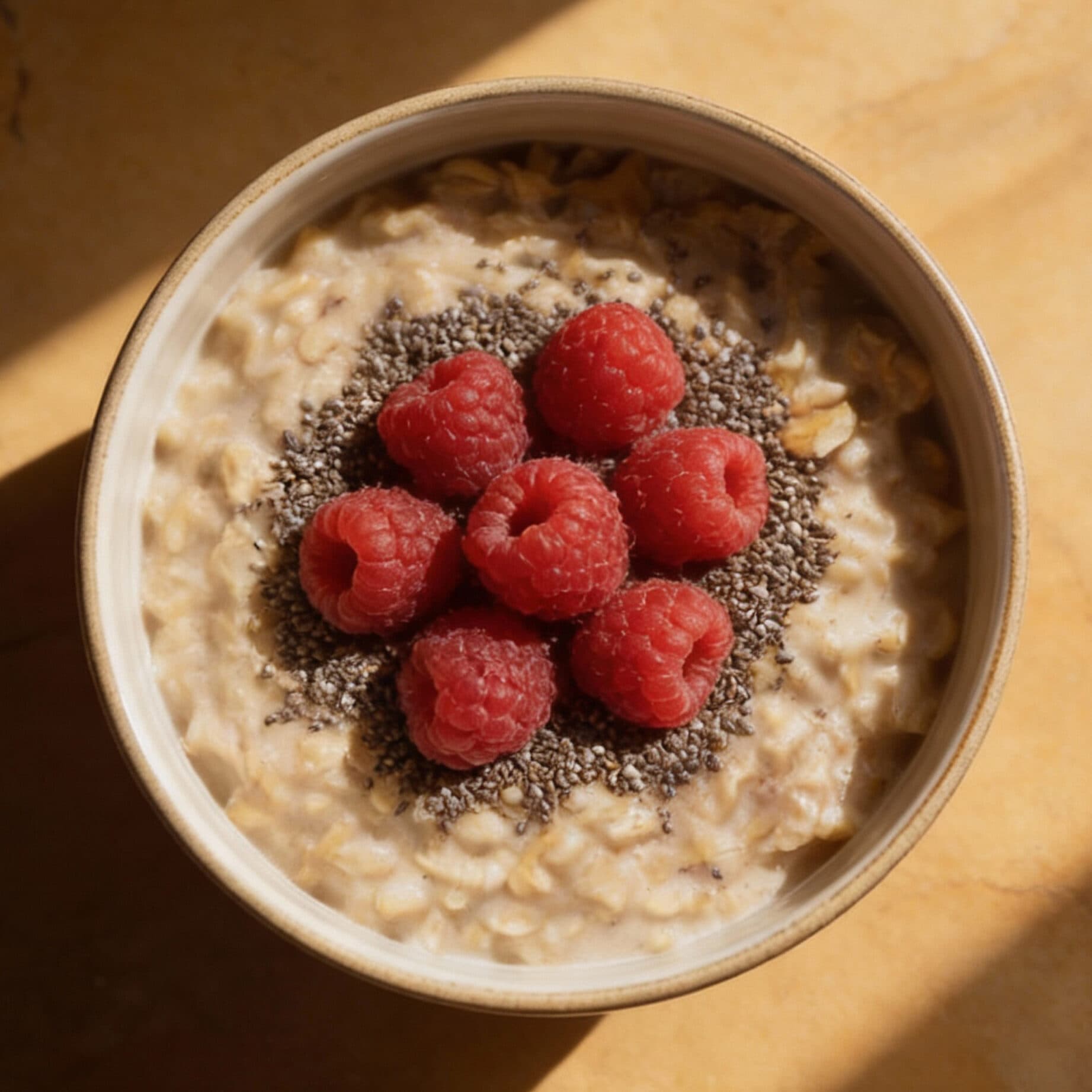
Research has linked a higher-fiber diet with better blood sugar control and better metabolism in people with type-2 diabetes, better heart health, and even better brain health.
The problem is, most of us aren't getting enough of this crucial nutrient in our daily diets. Most health experts recommend adults consume 25-38 grams of fiber per day. However, less than 5% of the U.S. population hits this threshold.
Why you need fiber
Fiber plays numerous roles in any balanced diet, keeping multiple body systems healthy:
- Digestion: Fiber is a prebiotic, which means it acts as a food supply to the trillions of bacteria living in the human gut. Eating fiber can support a healthy gut microbiome, leading to better nutrient absorption. Since fiber helps keep you regular, it also plays a key role in bowel health.
- Blood sugar control: Soluble fiber can slow the absorption of sugar, helping to regulate blood glucose levels. This is especially helpful in people with prediabetes or type-2 diabetes, but stable blood sugar is critical for everyone, as it helps with weight management, steady energy levels, heart and cognitive health, and immune function.
- Heart health: Soluble fiber can help lower cholesterol levels by reducing the amount of LDL cholesterol that is absorbed in the bloodstream, and therefore reducing the risk of heart disease. It also supports heart health by decreasing inflammation.
- Cancer prevention: Some studies suggest that a high-fiber diet may reduce the risk of certain types of cancer, particularly colorectal cancer.
- Brain health: “There is a link between fiber and dementia and cognitive health,” says Dr. David Dodick, neurologist and Atria’s Chief Science & Medical Officer. Fiber’s role in the reduction of LDL and inflammation, as well as the stabilizing of blood glucose levels, all contribute to optimal brain health. Finally, notes Dr. Dodick, improvements to the microbiome lead to microbiota that generate brain-healthy chemicals.
Together, these benefits add up to create a strong association with greater longevity in those people who eat a high-fiber diet. “There is some great research linking increased fiber intake to a ~10-30% reduced risk of all-cause mortality,” says Atria dietitian Adam Ross. “As fiber intake increases, it seems that all-cause mortality decreases. So for all of these reasons, I am a huge fan of fiber.”
Soluble fiber dissolves in water (think oats, fruits, beans); insoluble fiber does not (think nuts, seeds, corn). Having some combination of both types in your diet is beneficial.
| Age | Women | Men |
|---|---|---|
| 19-30 | 28 g | 34 g |
| 31-50 | 25 g | 31 g |
| 51+ | 22 g | 28 g |
Highest-fiber foods
Diets high in fresh fruits and vegetables, legumes, and whole grains will naturally keep your fiber levels high, and our experts recommend these over processed foods fortified with fiber. Below, we list some of the highest-fiber foods to add to your meals if you need more fiber.
Our experts’ tip: If high quantities of fiber are new to your diet, go slow; you may experience gassiness and bloating as your body adjusts.
| Food | Serving | Fiber (g) |
|---|---|---|
| Split peas | 1 cup cooked | 16.3 g |
| Lentils | 1 cup cooked | 15.6 g |
| Black beans | 1 cup cooked | 15 g |
| Lima beans | 1 cup cooked | 13.2 g |
| Chickpeas | 1 cup cooked | 12.5 g |
| Artichokes | 1 medium | 10.3 g |
| Chia seeds | 1 ounce | 9.8 g |
| Avocado | 1 medium | 9 g |
| Acorn squash | 1 cup cooked | 9 g |
| Edamame | 1 cup cooked | 8.1 g |
| Bulgur | 1 cup cooked | 8.2 g |
| Raspberries | 1 cup | 8 g |
| Blackberries | 1 cup | 7.6 g |
| Flaxseeds | 2 tbsp | 6 g |
| Whole wheat spaghetti | 1 cup cooked | 6.3 g |
| Broccoli | 1 cup cooked | 5.1 g |
| Quinoa | 1 cup cooked | 5.2 g |
| Pear | 1 medium | 5.5 g |
| Apple | 1 medium | 4.4 g |
| Oatmeal | 1 cup cooked | 4 g |
| Sweet potato | 1 medium | 4 g |
| Carrots | 1 cup raw | 4 g |
| Almonds | 1/4 cup | 4 g |
| Brussels sprouts | 1 cup cooked | 4.1 g |
| Popcorn | 3 cups air-popped | 3.5 g |
| Brown rice | 1 cup cooked | 3.5 g |
| Green peas | 1 cup cooked | 8.8 g |
| Prunes | 1/4 cup | 3.1 g |
| Bran flakes | 3/4 cup | 5.3 g |